When we talk about the biggest tech hubs in the world, most people immediately think of Silicon Valley in California—the birthplace of giants like Apple, Google, Meta (Facebook), and Tesla. Silicon Valley remains the world’s most iconic innovation center, but it’s far from the only place where technology thrives.
Over the past three decades, cities across North America, Europe, and Asia have transformed themselves into global technology ecosystems, blending strong universities, investor networks, government support, and diverse talent pools. Today, tech hubs are judged not just by how many companies they host but by their innovation culture, startup ecosystem, and ability to attract global talent.
So, which cities make the cut as the Top 10 Biggest Tech Hubs in the World? Let’s dive in.
1. New York City, USA – The Financial-Tech Giant
New York may be known as the world’s financial capital, but in the last three decades, it has grown into the second-largest tech hub in the United States after Silicon Valley.
- Early growth: The 1990s dot-com boom gave birth to companies like Prodigy, DoubleClick, Razorfish, and About.com. Even after the dot-com crash, the city’s resilience and focus on industries like media and finance helped startups rebound.
- 2000s–2010s: The rise of companies like Etsy, Gilt Groupe, Kickstarter, Birchbox, and Warby Parker reshaped e-commerce and digital culture.
- Government role: In 2022, the NYC Economic Development Corporation (NYCEDC) launched the “Pilot: New York City” initiative with Cornell Tech to streamline urban innovation projects.
- Current ecosystem: NYC employs 369,000 people in tech, accounting for 7% of its workforce, with average wages of $48/hour—far higher than citywide averages.
Today, New York is home to global names like Datadog, Peloton, Calm, Teachable, and JPMorgan Chase’s fintech divisions. Its strength lies in fintech, health tech, and AI, making it a global heavyweight.
2. Shenzhen, China – From Fishing Village to Tech Empire
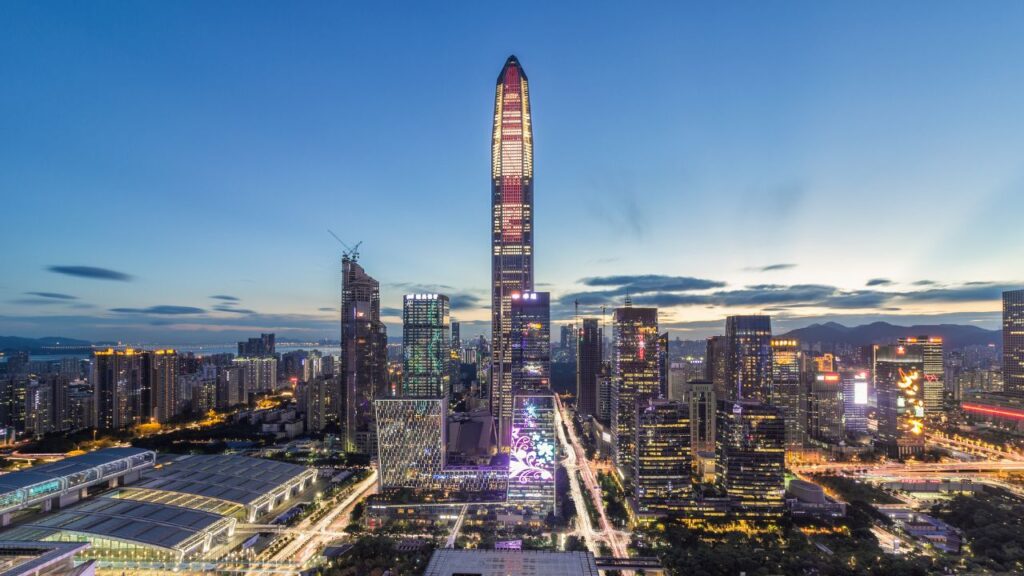
Just 40 years ago, Shenzhen was a small fishing village in Guangdong province. Today, it’s a mega-tech city with over 12 million professionals in electronics and IT.
- Special Economic Zone (1980): Shenzhen became China’s first SEZ, opening its doors to foreign firms. This fueled its rapid rise as a manufacturing and electronics hub.
- Tech giants: Huawei, Tencent, ZTE, DJI, and BYD all call Shenzhen home. Apple and Samsung rely heavily on its supply chain.
- Education pipeline: Prestigious universities like Southern University of Science and Technology (SUSTech) supply fresh engineering talent. In 2023, over 2 million students were enrolled in IT programs.
- Challenges and opportunities: Despite U.S.–China trade tensions, the government has pledged increased funding for domestic chipmaking and AI to reduce reliance on imports.
Today, Shenzhen symbolizes China’s ambition to lead in 5G, semiconductors, robotics, and AI-driven manufacturing.
3. London, United Kingdom – Europe’s Tech & Fintech Capital
London has evolved into Europe’s biggest tech hub, combining its role as a global financial center with cutting-edge technology.
- VC funding: In 2022, London-based tech firms raised $19.8 billion, with fintech alone bringing in $9.7 billion, more than any other city worldwide.
- Government visas: The Innovator Founder Visa (2023) streamlined entrepreneurship in the UK, replacing the old startup visa and offering faster residency options.
- Startup ecosystem: The city boasts 125+ incubators, world-class venture capital networks, and easy access to investors.
London’s fintech strength is unmatched, but it also shines in AI, life sciences, e-commerce, and green tech. Its combination of talent, culture, and government backing has cemented its role as one of the world’s top three tech hubs.
4. Bangalore, India – The IT Outsourcing Powerhouse
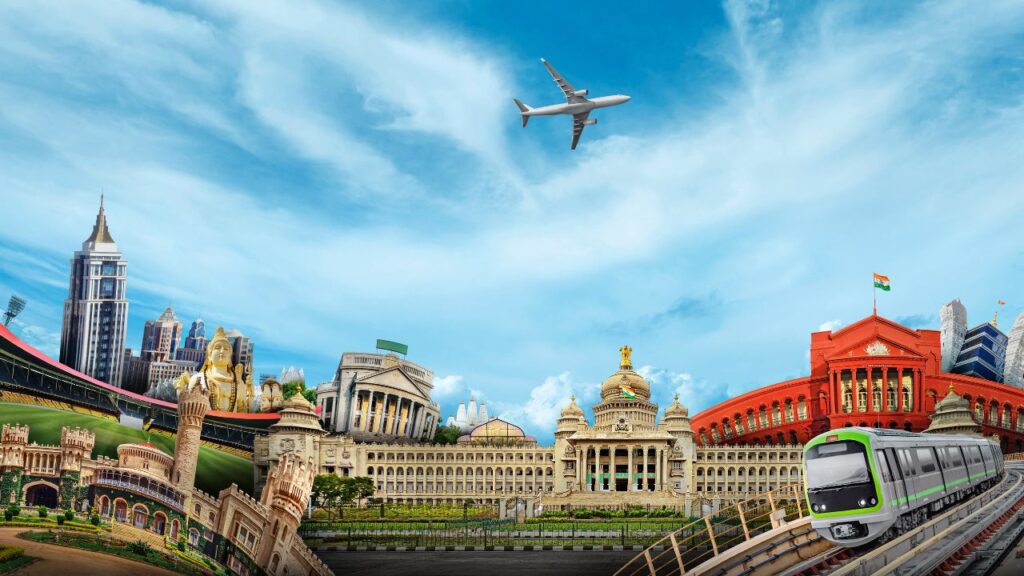
Nicknamed “India’s Silicon Valley”, Bangalore has become South Asia’s leading IT and R&D center.
- Early development: Texas Instruments set up its first Indian office in 1985, paving the way for global corporations.
- Workforce: Bangalore contributes 35% of India’s global in-house tech centers, employing 4.1 million professionals nationwide.
- R&D hub: Over $40 billion worth of R&D investments flow through Bangalore, with Amazon, IBM, Microsoft, Siemens, and Nokia running major innovation labs.
- Government role: Initiatives like Startup India (2016) and Make in India (2014) boosted self-reliance, while the Karnataka Startup Policy gave local entrepreneurs funding support.
From fintech to e-commerce to AI, Bangalore continues to attract both Indian startups and global multinationals.
5. Tel Aviv, Israel – Startup Nation’s Beating Heart
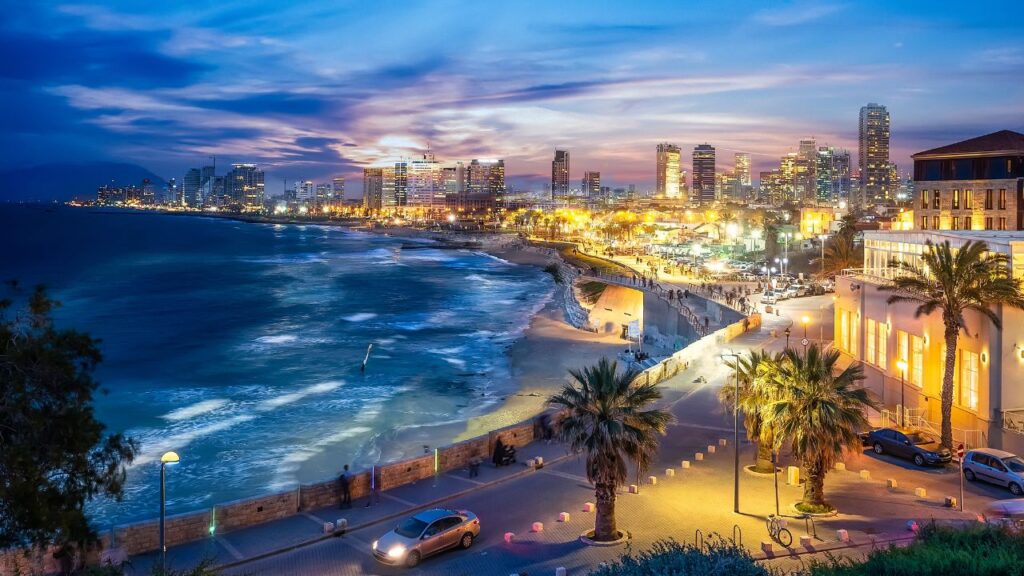
Tel Aviv is famous for having the highest startup density in the world—with over 6,000 startups in a city of under 1 million people.
- Specialization: Around 40% of Tel Aviv startups focus on AI, while Israel exports $6.5 billion in cybersecurity products annually.
- Global R&D: Tech giants like Google, Facebook, Amazon, and Barclays all maintain innovation centers here.
- Government funding: The Tnufa Incentive Program provides grants to entrepreneurs, while Israel’s COVID-19 relief plan injected over $462 million into small businesses.
Tel Aviv’s combination of military-driven R&D, academic strength, and entrepreneurial culture makes it one of the most innovative cities globally.
6. Singapore – The Asian Smart Nation
Singapore may be small, but it is one of the most strategically important tech hubs in Asia.
- Origins: Its transformation began with the Civil Service Computerisation Programme (CSCP) in 1981, which digitized government operations.
- Corporate presence: Today, Amazon, Microsoft, ByteDance, Grab, Sea, and Razer all operate in Singapore.
- Startup ecosystem: Over 4,000 startups thrive here, spanning e-commerce, gaming, fintech, and AI.
- Future jobs: By 2027, Singapore expects 45,000 new jobs in its ICT sector.
With low corporate taxes, strong infrastructure, and government support, Singapore is a model for smart cities worldwide.
7. Toronto, Canada – The AI Capital of the World
Toronto has branded itself as the world’s AI capital, thanks to leading institutions like the University of Toronto and the Vector Institute.
- Corporate footprint: Shopify, Google, Apple, and Stripe have major offices here.
- Innovation hub: The MaRS Discovery District is one of the largest innovation incubators in North America.
- Government role: Canada’s immigration-friendly policies and research funding have made Toronto a magnet for global talent.
Toronto’s diverse workforce and cutting-edge AI research have made it one of the fastest-growing tech hubs in North America.
8. Stockholm, Sweden – Europe’s Startup Factory
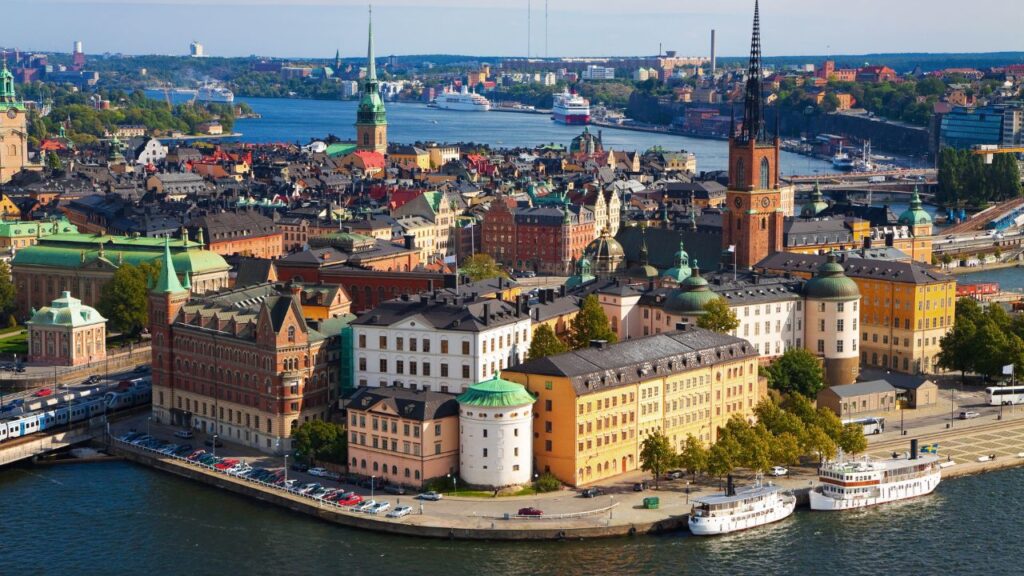
Stockholm is Europe’s most innovative city and the birthplace of tech unicorns like Spotify, Klarna, and Ericsson.
- Startup density: Nearly 3,000 startups and more unicorns per capita than anywhere except Silicon Valley.
- Workforce: Around 101,000 people work in Stockholm’s tech sector.
- Policy support: Sweden invests heavily in green technology and digital infrastructure. The government’s broadband strategy targets nationwide high-speed internet by 2025.
Stockholm’s emphasis on sustainability and digitalization has made it a global role model.
9. Tokyo, Japan – Robotics and Fintech Pioneer
Tokyo has long been a leader in robotics, producing more than half of the world’s industrial robots.
- Financial hub: It is the third most competitive financial center globally, according to the Global Financial Centres Index.
- Innovation programs: The Tokyo Financial Award (2017) rewards financial firms that innovate in ESG and fintech.
- Industry focus: Tokyo’s strengths lie in robotics, fintech, AI, and blockchain development.
Tokyo blends advanced manufacturing with financial technology, giving it a unique edge.
10. Ho Chi Minh City, Vietnam – Southeast Asia’s Rising Star
Vietnam’s economic capital, Ho Chi Minh City, is quickly becoming one of Asia’s fastest-growing tech hubs.
- Workforce: It accounts for 55.3% of Vietnam’s IT workforce, with 50,000 IT graduates entering the industry each year.
- Corporate base: Companies like Saigon Technology, InApps, and TP&P Technology drive software exports.
- Government role: Smart city initiatives include shared databases, e-commerce growth plans, and cybersecurity centers.
With rapid growth, Ho Chi Minh City is on track to rival regional hubs like Singapore and Bangkok in the coming decade.
Takeaways
Silicon Valley may still hold the crown, but these 10 global cities demonstrate how innovation has become decentralized and borderless. From Shenzhen’s manufacturing dominance to Tel Aviv’s startup culture and Ho Chi Minh City’s fast rise, the global tech map is more diverse than ever.
For entrepreneurs, investors, and professionals, these hubs represent the best opportunities to shape the future of technology.