Engineering teams face unique challenges when it comes to maintaining high productivity levels. Between complex problem-solving, collaboration demands, and the constant evolution of technology, managers need concrete strategies backed by real data. Here are five proven approaches that can transform your team’s output while keeping morale high.
Focus on Deep Work Windows
Research from MIT shows that developers need an average of 23 minutes to fully recover their focus after an interruption. This means constant context switching isn’t just annoying—it’s destroying productivity. The solution is creating protected deep work blocks where engineers can concentrate without meetings, Slack notifications, or other disruptions.
Start by implementing “no meeting mornings” or dedicating specific afternoons to uninterrupted coding time. Studies indicate that engineers who have at least four hours of continuous work time daily complete tasks 50% faster than those working in fragmented time blocks. Use calendar blocking to make these windows visible to the entire organization, and encourage everyone to respect them as sacred time.
For remote team members, this becomes even more critical. Without the physical boundaries of an office, work can bleed into every hour of the day, ironically reducing actual productivity. Encourage your distributed engineers to create boundaries by establishing a dedicated workspace. Many remote workers find that investing in quality equipment from a home office furniture store helps them mentally separate work mode from home mode. An ergonomic desk and proper chair signal the brain that it’s time to focus, which directly impacts concentration quality.
Measure What Matters, Not Everything
The tendency to track every metric can actually backfire. A Stanford study found that teams drowning in metrics spent more time reporting progress than making progress. Instead, focus on a handful of meaningful indicators like cycle time, deployment frequency, and change failure rate.
These DORA metrics give you real insights into how smoothly your development process flows without creating administrative overhead. When engineers see that you’re measuring outcomes rather than activity, they focus on delivering value instead of looking busy. This shift in measurement philosophy can increase actual output by 30% while reducing stress levels across the team.
Invest in Onboarding and Documentation
Data from Google’s research team reveals that engineers with structured onboarding reach full productivity 25% faster than those who learn through osmosis. The upfront time investment in creating clear documentation pays dividends for years.
This doesn’t mean creating encyclopedic knowledge bases that nobody reads. Focus on practical, searchable documentation that answers common questions. Record video walkthroughs of your codebase architecture. Create quick-reference guides for your development workflow. When new team members can find answers independently, senior engineers spend less time answering repetitive questions.
Optimize the Remote Work Experience
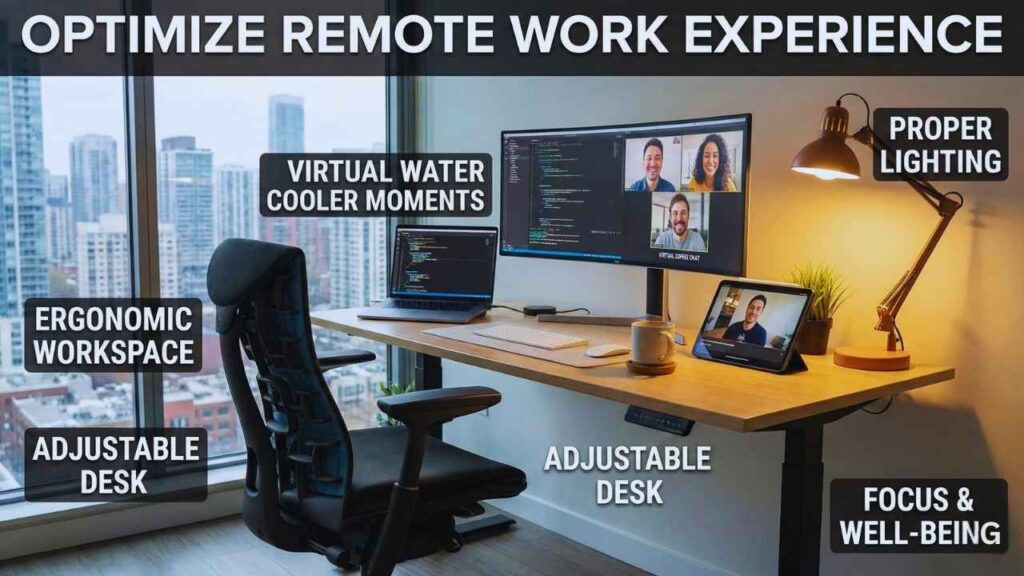
With 74% of companies planning to maintain some level of remote work, optimizing the distributed work experience isn’t optional anymore. Remote engineers consistently cite isolation and communication gaps as their biggest productivity killers.
Combat this by creating virtual water cooler moments. Schedule optional coffee chats where work talk is off-limits. Use asynchronous video updates for project progress instead of requiring everyone to join yet another meeting. These small touches help remote workers feel connected to the team mission without adding calendar bloat.
Physical workspace quality matters tremendously for remote productivity. Companies that provide stipends for home office setups report 23% higher satisfaction scores from remote workers. Encourage your team to treat their home office seriously—that might mean a visit to a home office furniture store for an adjustable desk that prevents back pain during long coding sessions, or proper lighting that reduces eye strain. When remote engineers have a comfortable, professional workspace, they’re more likely to maintain focus throughout the day and less likely to burn out.
Build in Regular Skill Development Time
Microsoft Research found that engineers who spend 10% of their work time on learning new technologies are 15% more productive overall. This seems counterintuitive until you realize that continuous learning prevents skill stagnation and keeps engineers engaged.
Implement “innovation Fridays” or allocate a few hours each week for engineers to explore new tools, contribute to open source, or experiment with side projects related to your tech stack. This dedicated learning time reduces burnout because it breaks up the monotony of sprint work. It also means your team naturally stays current with industry developments rather than falling behind.
The Bottom Line
Boosting engineering productivity isn’t about squeezing more hours out of your team. It’s about removing friction, providing the right resources, and creating an environment where focused work can happen. These five strategies work because they’re based on data from real engineering organizations, not theoretical management concepts.
The key is understanding that productivity challenges differ across work environments. Your in-office engineers benefit from immediate collaboration but struggle with interruptions. Your remote team members have fewer distractions but need extra support to maintain motivation and connection. Addressing both scenarios with intentional strategies creates a more resilient, productive engineering culture overall.
Whether your team works in an office, remotely, or in a hybrid setup, the fundamentals remain the same: protect focus time, measure smartly, document thoroughly, support remote workers properly, and invest in growth. Implement even two or three of these approaches, and you’ll likely see measurable improvements within a single quarter.