
Navigating adolescence can be challenging, especially for young people facing emotional, behavioral, or mental health difficulties. Residential treatment centers provide a structured, supportive environment where youth can focus on healing and personal growth.
Beyond simple supervision, these centers offer evidence-based therapies, life skills training, and family involvement that help adolescents develop resilience, confidence, and independence. By combining therapy with daily routines and recreational activities, residents learn to manage emotions, build healthy habits, and prepare for the responsibilities of adulthood.
For parents and guardians, understanding the benefits of these programs is essential. From structured schedules that provide stability to specialized treatments like CBT and DBT, residential centers offer comprehensive care designed to produce lasting results. Additionally, ongoing aftercare and peer support ensure that progress continues long after leaving the facility. This article explores the top five benefits of residential treatment centers for youth, highlighting why they are crucial for long-term emotional and behavioral success.
Key Takeaways
- A structured environment helps young people develop stability, confidence, and healthy routines while addressing emotional and behavioral challenges.
- Evidence-based therapies, including Cognitive Behavioral Therapy (CBT) and Dialectical Behavior Therapy (DBT), support long-term emotional growth and recovery.
- Family involvement strengthens treatment outcomes by improving communication and creating a lasting support system.
- Life skills training prepares youth for independence by teaching practical skills such as budgeting, problem-solving, and decision-making.
- Ongoing aftercare, peer support, and community resources help maintain progress after treatment ends.
Structured Environments Promote Stability and Growth
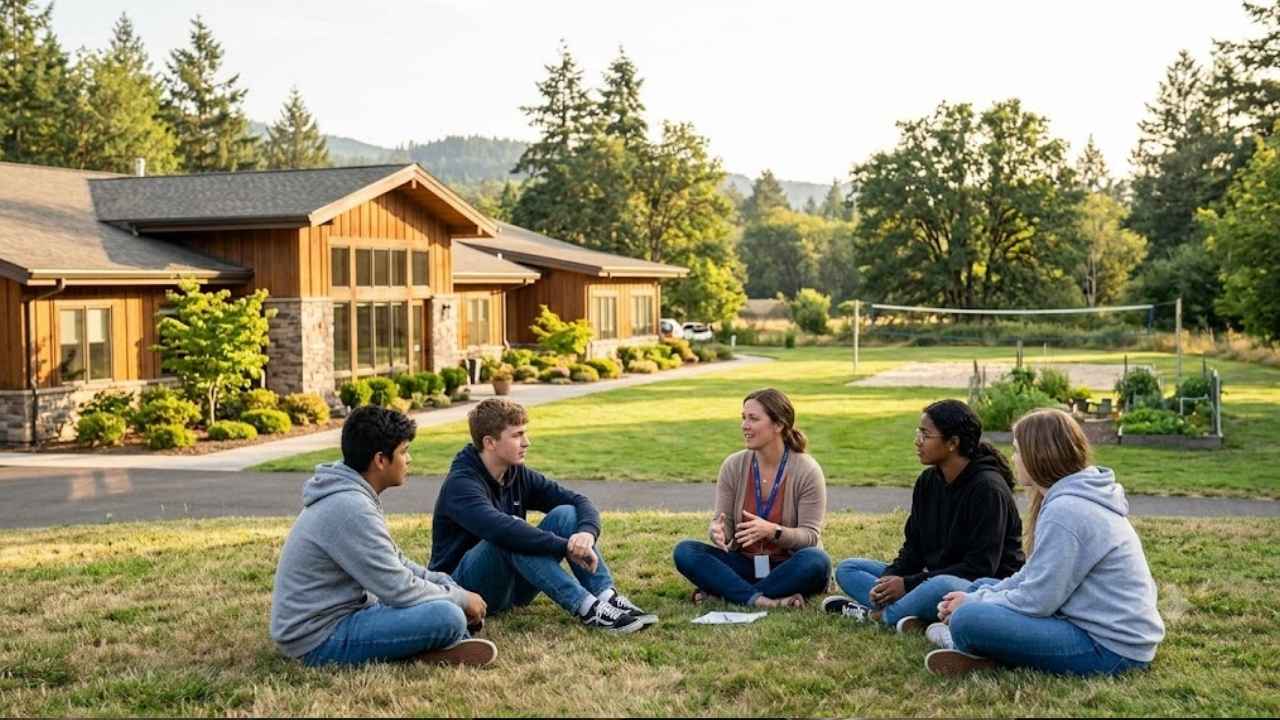
One of the greatest advantages of a residentail treatment center for youth is the structured environment it provides. Daily routines create consistency, helping young people feel safe while reducing stress and uncertainty. For many adolescents struggling with emotional or behavioral challenges, predictability becomes the foundation for personal growth.
Each day typically includes therapy sessions, educational activities, recreation, and personal development exercises. This balanced schedule allows youth to build healthy habits while learning emotional regulation and social skills. As they become comfortable with the routine, confidence and independence naturally begin to develop.
Evidence-Based Therapies Support Lasting Recovery
Professional treatment programs rely on proven therapeutic approaches tailored to each individual’s needs. Rather than offering temporary solutions, these therapies focus on addressing the underlying causes of emotional and behavioral difficulties.
Common treatment methods include:
- Cognitive Behavioral Therapy (CBT), which helps youth recognize and replace unhealthy thinking patterns.
- Dialectical Behavior Therapy (DBT), which teaches emotional regulation and healthy relationship skills.
- Trauma-informed therapy, which helps young people process difficult experiences in a safe and supportive setting.
When combined with the structured environment of a residentail treatment center for youth, these therapies equip adolescents with practical coping strategies they can continue using long after treatment.
Family Participation Strengthens Recovery
Recovery becomes more successful when families actively participate in the treatment process. Parents and guardians are encouraged to attend family therapy sessions, educational workshops, and regular progress meetings.
Family involvement provides several benefits:
- Improves communication between parents and children.
- Reinforces healthy coping strategies learned during treatment.
- Creates a supportive home environment for continued progress.
- Helps families better understand behavioral and emotional challenges.
Strong family support often makes the transition home much smoother and increases the likelihood of long-term success.
Life Skills Prepare Youth for Independence
Treatment extends beyond emotional healing by helping young people develop practical skills they will use throughout adulthood. Life skills workshops provide hands-on learning opportunities that prepare adolescents for everyday responsibilities.
Programs commonly include:
- Financial literacy and budgeting.
- Time management and organization.
- Job readiness, including resume writing and interview preparation.
- Healthy lifestyle habits and self-care.
- Problem-solving and decision-making exercises.
Learning these skills within a supportive environment gives youth the confidence to manage future responsibilities independently.
Long-Term Support Encourages Continued Success
Healing does not end when residential treatment concludes. Many programs provide ongoing support through aftercare services, alumni programs, peer support groups, and community resources.
These continued connections help youth:
- Maintain accountability.
- Practice healthy coping skills.
- Build supportive friendships.
- Access professional guidance when needed.
A comprehensive residentail treatment center for youth focuses not only on immediate recovery but also on helping adolescents build a strong foundation for lifelong success.
What Daily Life Looks Like
Daily schedules are carefully designed to balance therapy, education, recreation, and personal growth. A typical day may include:
- Morning mindfulness activities and goal setting.
- Individual and group therapy sessions.
- Academic support or educational instruction.
- Life skills workshops.
- Recreational activities such as sports, art, or music.
- Evening reflection and peer discussions.
This combination of structure and flexibility allows each young person to progress at a pace that supports their unique treatment goals.
Frequently Asked Questions
What qualifications do staff members typically have?
Residential treatment programs are staffed by licensed therapists, counselors, social workers, educators, and behavioral health professionals with experience supporting adolescents facing emotional, behavioral, and mental health challenges.
How long do youth usually stay in residential treatment?
The length of treatment varies based on each individual’s needs. Some programs last several weeks, while others may continue for several months to ensure lasting progress and successful transition back home.
Are aftercare services available?
Yes. Many programs offer aftercare planning, follow-up therapy, alumni support groups, and community referrals to help maintain recovery after discharge.
How is treatment progress measured?
Progress is monitored through regular clinical evaluations, behavioral assessments, therapy goals, family feedback, and ongoing observations from the treatment team. Individual plans are adjusted as progress is made.
Why are peer relationships important during treatment?
Positive peer relationships encourage emotional support, accountability, and healthy social interaction. Many adolescents benefit from connecting with others facing similar challenges, helping reduce feelings of isolation.
How are different mental health conditions treated?
Treatment plans are personalized to each youth’s needs. Programs often combine multiple therapeutic approaches to address conditions such as anxiety, depression, trauma, ADHD, and behavioral disorders.
What activities help improve emotional well-being?
Programs often include art therapy, music, mindfulness, outdoor recreation, team sports, fitness, and creative activities that encourage emotional expression and healthy coping skills.
How do treatment centers create a sense of community?
Structured group activities, shared responsibilities, therapy groups, and recreational events help youth build trust, develop friendships, and experience a strong sense of belonging throughout their recovery journey.